
 Partager ce sujet
 Facebook
 Email
Email Google
 Reddit
 The Strange Future of Technology: Why More People Want to Block


Better WiFi. Faster mobile data. Smarter Bluetooth devices. More accurate GPS. If something connected wirelessly, companies wanted it faster, bigger, and always on.
Then something unexpected happened.
People got tired.
Not “throw-your-phone-into-a-lake” tired. More like mentally exhausted from living in a world where everything constantly pings, tracks, syncs, updates, and competes for attention.
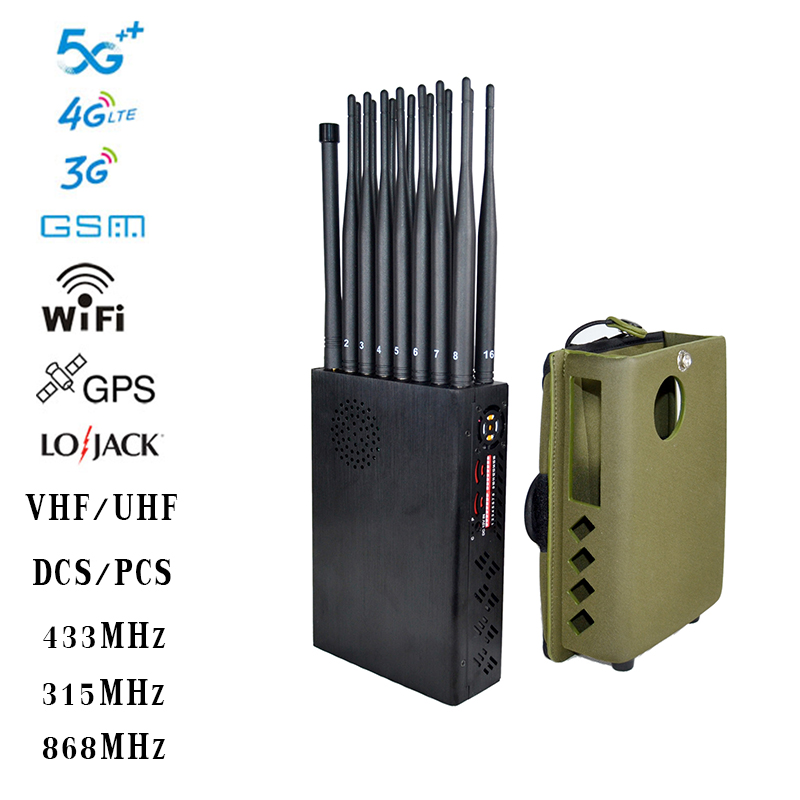
That’s why signal blocking technology is quietly becoming one of the most interesting trends in modern digital life.
We Accidentally Created an “Always-On” World
Think about how many signals surround you right now.
Your phone searches for towers. Bluetooth scans nearby devices. GPS tracks movement. Smartwatches sync notifications. Cars communicate wirelessly. Drones fly overhead recording video like mechanical pigeons with cameras.
It never really stops.
Digital Overload Is Everywhere
This growing overload explains why searches for best signal jammers ( https://www.signaljammerphone.com/ )for personal privacy and digital security are increasing online. People want occasional silence from the endless stream of wireless communication surrounding them every day.
And honestly, that sounds pretty reasonable.
Phones Became Portable Distraction Machines
Remember when phones mostly made calls?
Now a single notification can destroy your concentration for twenty minutes. You check one message, somehow end up watching cooking videos at midnight, and completely forget what you originally picked up the phone for.
That’s one reason mobile cell jammer for office focus and meeting privacy has become a surprisingly common search term. In controlled environments, reducing mobile distractions can help create more productive spaces.
Because “Please put your phones away” stopped working around 2014.
Bluetooth Is Convenient… and Weirdly Aggressive
Bluetooth used to feel futuristic. Wireless headphones? Amazing.
But now every device wants to pair with something. Speakers, watches, keyboards, cars, TVs—half the modern world spends its time aggressively searching for nearby connections like lonely robots trying to make friends.
This explains growing interest in bluetooth jammer( https://www.signalja...th-jammers.html ) for wireless interference reduction. In crowded spaces filled with overlapping wireless devices, limiting unnecessary Bluetooth activity can improve privacy and reduce signal congestion.
Plus, nobody enjoys accidentally connecting to the wrong speaker in public. That experience ages you emotionally.
Why Signal Control Is Becoming Mainstream
GPS Tracking Changed Privacy Expectations
GPS technology made life easier. Nobody argues with that.
But it also normalized constant location tracking in ways most people barely noticed at first. Apps track movement. Vehicles store route history. Devices continuously exchange positioning data in the background.
Over time, people started asking an uncomfortable question:
_“Why does everything always know where I am?”_
That concern is fueling searches for portable gps blocker ( https://www.signalja...ss-jammers.html ) for vehicle privacy protection and similar solutions designed for controlled privacy environments.
Not because users want to disappear completely.
They just don’t love being digitally followed every second of the day.
Drones Made Airspace Feel Personal
A few years ago, drones were mostly toys for hobbyists and photographers.
Now they’re everywhere.
Construction sites. Sporting events. Beaches. Apartment buildings. Public parks. Sometimes it feels like the sky itself joined social media.
That’s why searches for anti-drone jammer ( https://www.signalja...av-jammers.html ) for airspace security and privacy have increased steadily. In certain controlled areas, preventing unauthorized drone activity has become part of broader discussions around security and surveillance management.
Also, drone buzzing is somehow both futuristic _and_ deeply annoying at the same time.
Signal Blocking Feels More Practical Now
The biggest change isn’t the technology itself—it’s public perception.
Years ago, signal jammers sounded mysterious, maybe even extreme. Today, many people simply view them as tools for managing digital environments more intentionally.
A multi-function signal jammer for mobile, GPS, and Bluetooth jammer no longer feels like something only security professionals would use. It increasingly feels like part of the broader conversation around privacy and focus.
And that shift says a lot about modern culture.
The Real Trend Is Selective Connectivity
Most people don’t actually want less technology.
They still love fast internet, wireless devices, streaming apps, smart vehicles, and navigation systems.
What they want is choice.
Choice over when they’re reachable.
Choice over when they’re tracked.
Choice over when technology gets their attention.
That’s why interest in portable mobile cell jammer ( https://www.signalja...ne-jammers.html ) for travel and personal privacy continues growing.
The future probably won’t be disconnected.
But it may become much more selective.
Final Thoughts
For decades, innovation meant adding more connectivity to everyday life.
Now a growing number of people are searching for ways to occasionally slow it down.
Whether it’s a high power cell signal jammer for meeting rooms, a bluetooth blocker for reducing wireless interference, a GPS blocker for location privacy, or an anti-drone jammer for controlled environments, all these devices point toward the same modern reality:
People still want technology.
They just don’t want technology controlling every moment of their lives.
1. https://www.signalja...al-blocker.html
 Citer
Citer